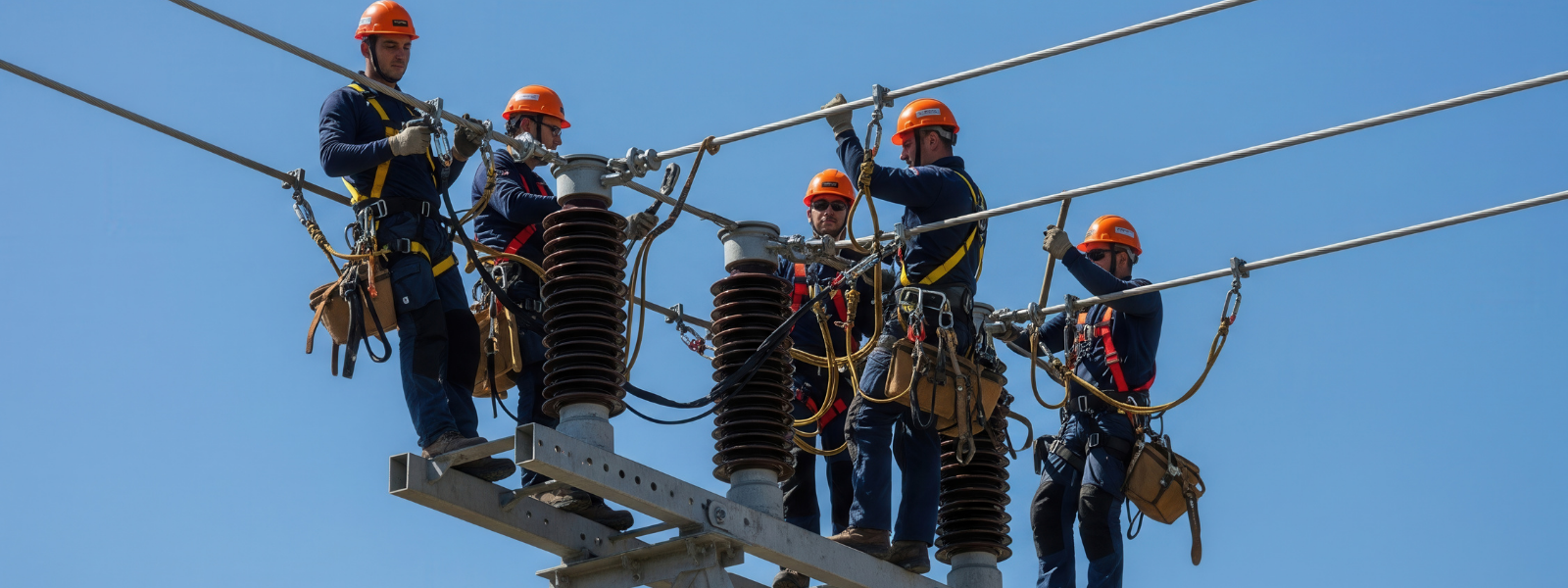

Working in a high-risk profession such as law enforcement, aviation, oil and gas, construction, or firefighting comes with unique responsibilities and risks. When it comes to life insurance, those risks can make finding the right coverage feel overwhelming. Many people assume their options are limited or too expensive, especially if their employer already provides some coverage.
Why Employer Coverage May Not Be Enough
Employer-provided life insurance is a great starting point, but it often falls short. Coverage amounts are typically capped, may not reflect your family’s long-term needs, and usually end if you leave your job. For people in high-risk roles, having a personal policy ensures consistent protection no matter where your career takes you.
How AccuQuote Helps High-Risk Workers
Since 1986, AccuQuote has helped families secure reliable, affordable life insurance. As an independent, multi-carrier platform, we compare policies from top-rated insurance companies. Not all insurers assess risk the same way, and some offer more favorable rates for hazardous occupations. AccuQuote does the rate comparison for you, helping identify carriers that understand your line of work.
What to Know About Underwriting
Underwriting plays a key role in high-risk job applications. Be honest and detailed about your role, safety training, certifications, and experience. These factors can significantly affect your approval and pricing. AccuQuote’s licensed agents guide you through what information matters most, helping you avoid common mistakes that could delay or limit coverage.
Get Coverage That Works as Hard as You Do
A high-risk job shouldn’t mean fewer options. With AccuQuote, you get expert guidance, transparent comparisons, and support every step of the way. Talk to an AccuQuote agent today and find life insurance coverage built for your career and your family’s future.
Can I get life insurance if I have a high-risk job?
Yes. While certain professions may result in higher premiums, many insurers offer coverage options tailored to high-risk occupations.
What jobs are considered high-risk by insurers?
Jobs like construction, law enforcement, aviation, firefighting, and oil and gas work are often considered higher risk due to increased exposure to hazards.
Why is employer-provided life insurance not enough?
Employer coverage is often limited in amount and may not follow you if you change jobs, leaving gaps in long-term protection.
Will my job affect my life insurance premium?
Yes. Insurers assess occupational risk during underwriting, which can impact your rate and coverage options.
What information do I need to provide during underwriting?
You’ll need to share details about your role, duties, safety training, certifications, and experience, all of which can influence your approval and pricing.
Do all insurance companies treat high-risk jobs the same way?
No. Each insurer has different underwriting guidelines, which is why rates and eligibility can vary widely.
Can safety training or experience improve my rates?
Yes. Demonstrating proper training, certifications, and experience can help show lower risk and may improve your eligibility or pricing.
Should I rely only on employer coverage?
It’s best to supplement employer coverage with a personal policy to ensure consistent protection regardless of your job status.
Is life insurance more expensive for high-risk workers?
It can be, but comparing multiple carriers can help you find more competitive and affordable options.
How can AccuQuote help me find the right policy?
AccuQuote compares policies across top-rated insurers and helps match you with carriers that better understand high-risk professions, ensuring you get coverage that fits your career, budget, and goals. Get covered today!
